Rolex Size Guide: Every Model Matched to Your Wrist
Most modern Rolex sports models are 40–41mm, the Datejust comes in 36mm and 41mm, and the dressy and ladies’ models run from 28mm to 36mm. But case diameter alone does not tell you how a watch wears — lug-to-lug length and thickness matter just as much. This guide gives the exact dimensions of every current Rolex, shows which size suits which wrist, and helps you pick the right fit before you order, whether you are buying genuine or a super clone.
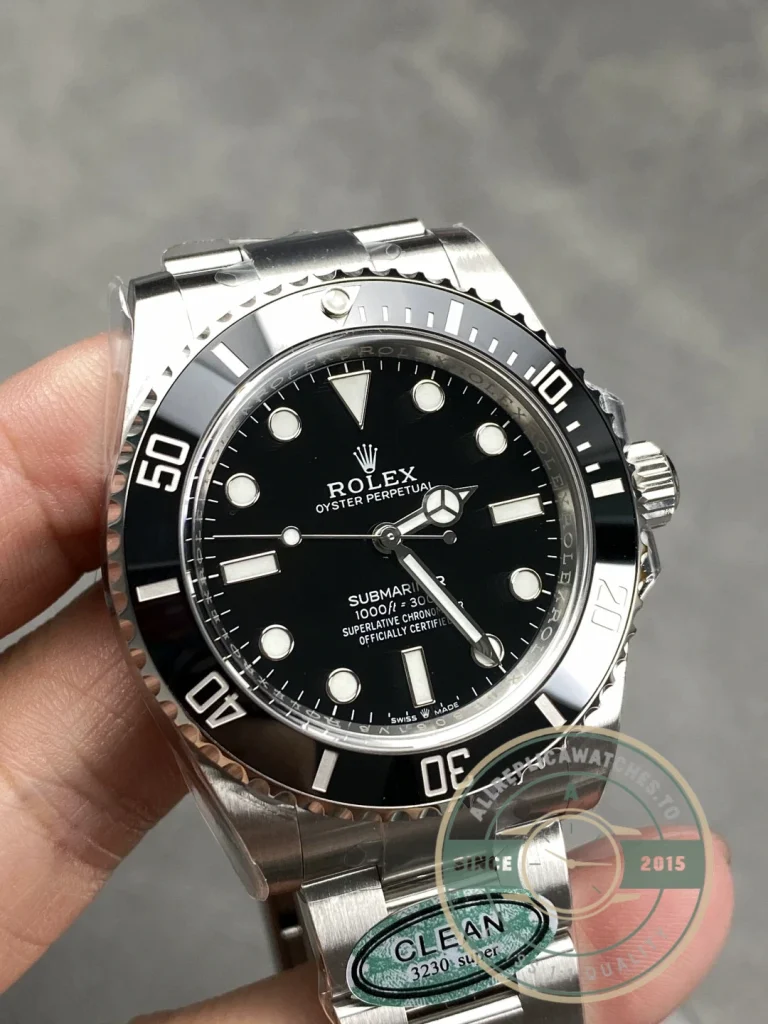
First, Measure Your Wrist
Before any size chart is useful, you need one number: your wrist circumference. Wrap a soft tape measure (or a strip of paper you then measure) around your wrist just below the wrist bone, where you would wear the watch, and note the figure in centimetres. Most adult wrists fall between 14cm and 20cm. As a rough guide, a wrist under 16cm is small, 16–18cm is medium, and over 18cm is large.
That single number does most of the work, but two case dimensions decide the actual fit more than diameter does. Lug-to-lug — the length from the top lug tip to the bottom — must not overhang the edges of your wrist, or the watch looks and feels too big regardless of its diameter. Thickness decides how the watch sits under a cuff and how “chunky” it feels. Keep all three in mind — wrist size, lug-to-lug and thickness — and the diameter becomes the easy part.
How Rolex Sizing Has Changed
Rolex sizing has drifted upward over the decades, which is why vintage and modern references feel so different on the wrist. For most of the twentieth century, 34–36mm was a normal men’s size — the Datejust and Day-Date defined elegance at 36mm, and even the Submariner began life compact. As tastes moved toward larger watches in the 2000s, Rolex followed: the Submariner grew to 41mm in 2020, the Datejust gained its 41mm version, and the Sky-Dweller arrived at a substantial 42mm.
At the same time, Rolex never abandoned the classic sizes, and in recent years the smaller dimensions have come back into fashion. The 36mm Oyster Perpetual and Datejust are more popular now than they have been in years, embraced as unisex watches by buyers who want a timeless, versatile proportion. The practical takeaway: do not assume “bigger is better.” The right Rolex size is the one that fits your wrist and your taste, and Rolex offers more of the range than almost any other brand.
Every Rolex Model’s Size
Here are the case sizes Rolex currently offers across the range, with approximate thickness. This is the reference to bookmark:
Sports Models — Submariner, GMT, Daytona
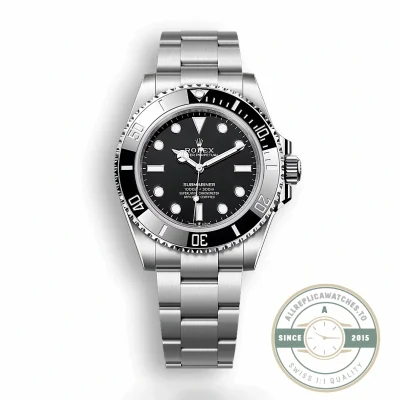
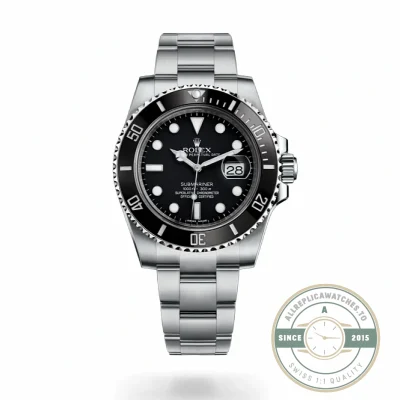
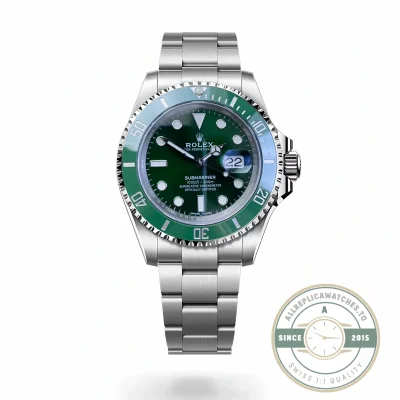
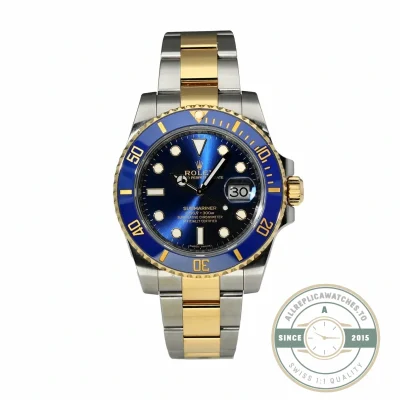
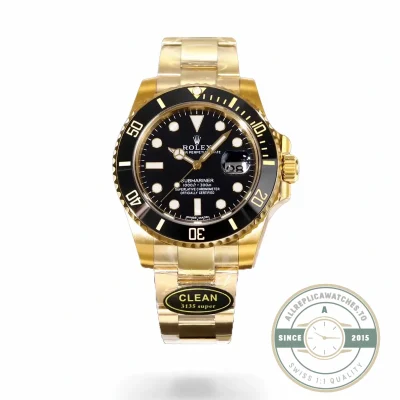
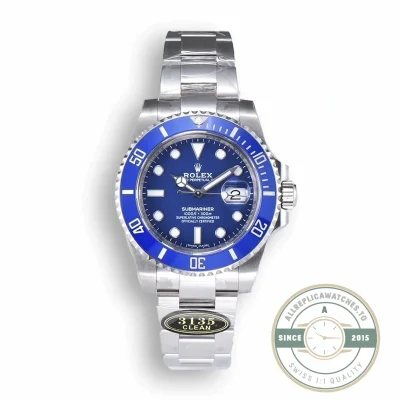
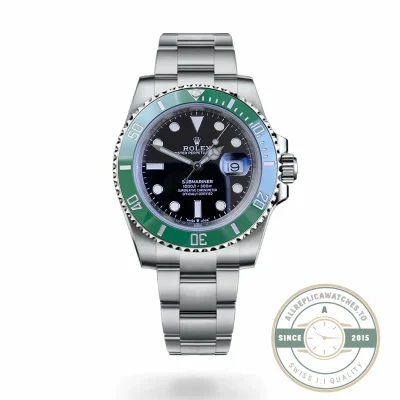
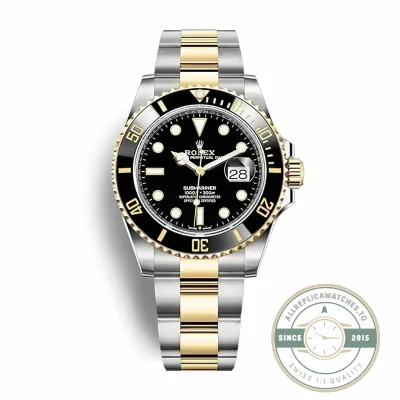
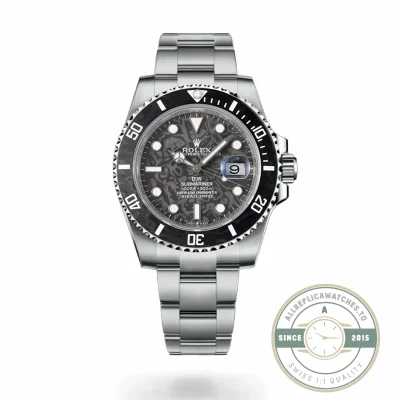
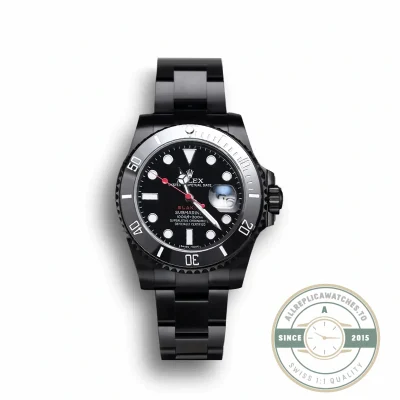
The core steel sports Rolex sit in a tight band. The Submariner is 41mm today (40mm on pre-2020 references) and, thanks to its broad bezel and case, wears a touch larger than its number — it suits a medium-to-large wrist best. The GMT-Master II at 40mm wears true to size and is one of the most universally flattering Rolex sports watches. The Daytona, also 40mm, actually wears compact for a chronograph because its pushers and bezel keep the proportions tight — it works on a surprising range of wrists.
The Sea-Dweller (43mm) and Deepsea (44mm) are the big divers: thick and heavy, they need a larger wrist to look right. The Explorer at 36mm or 40mm is the understated all-rounder that fits almost everyone. Browse the full range in the Submariner collection.
Datejust 36 vs 41 — The Classic Choice
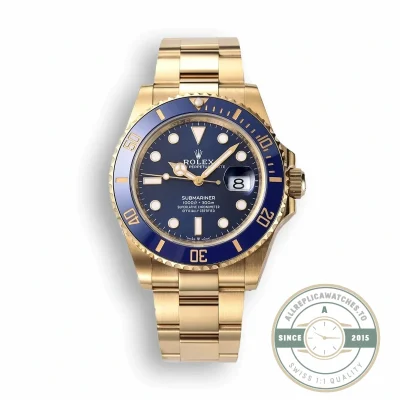
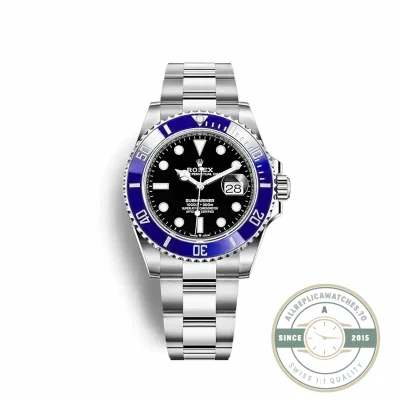
The Datejust is the Rolex most people agonise over, because it comes in two main sizes and both are “correct.” The Datejust 36 is the timeless, slightly vintage-leaning size — it suits smaller and medium wrists beautifully and reads as a true classic, and it works equally well on men and women. The Datejust 41 is the modern, more substantial choice, better suited to medium-to-large wrists and to anyone who wants a contemporary presence.
Neither is more “right” than the other — it is genuinely a matter of wrist size and taste. If your wrist is under 17cm or you lean classic, the 36 is the safe, elegant pick. If your wrist is 17cm or larger or you want a modern look, the 41 is the one. There is also a 31mm Datejust and the 28mm Lady-Datejust for smaller wrists. See the full range in the Datejust collection.
Day-Date, Oyster Perpetual & Ladies’ Sizes
The Day-Date President comes in 36mm and 40mm. The 36mm is the traditional, elegant size that defined the model; the 40mm is the modern, bolder version. The Oyster Perpetual is the most flexible family for sizing, offered in 28, 31, 34, 36 and 41mm, so there is an OP for every wrist — the 36mm and 41mm are the most popular unisex choices, while the smaller sizes suit petite wrists.
For smaller wrists specifically, the 28mm Lady-Datejust, the 31mm Datejust and the 28–34mm Oyster Perpetual are the natural picks — elegant, proportionate and comfortable. Many of these also come fully iced out; see the Day-Date and diamond collections.
Match the Model to Your Wrist
Put it all together and the recommendation by wrist size is straightforward:
These are guidelines, not rules — personal taste matters, and smaller or larger watches can look great if you like the proportion. But if you are buying without trying on, matching your wrist to this chart is the surest way to be happy with the fit.
Men’s, Women’s & Unisex Sizing
Rolex no longer thinks of most of its watches as strictly men’s or women’s — it thinks in sizes, and buyers of any gender wear across the range. That said, there are natural tendencies. The 28mm Lady-Datejust and smaller Oyster Perpetual sizes (28, 31mm) are traditionally women’s watches, elegant and petite. The 34 and 36mm sizes are the great unisex middle ground — a 36mm Datejust or Oyster Perpetual looks equally at home on a man’s or a woman’s wrist, which is a large part of why those sizes have surged in popularity.
From 40mm up, the sports and larger dress models — Submariner, GMT, Daytona, Datejust 41, Sky-Dweller — are most often worn as men’s watches, though plenty of women wear a 40mm GMT or Daytona and look fantastic in them. The honest rule is to ignore the label and go by the fit: choose the diameter and lug-to-lug that sit well on your own wrist, and the watch will look right regardless of which section of the catalogue it came from.
Thickness & Comfort
Diameter gets all the attention, but thickness is what you feel all day. A thin watch like an Oyster Perpetual (~11mm) or a Datejust (~12mm) slides under a shirt cuff effortlessly and disappears on the wrist. A thick diver like the Sea-Dweller (~15mm) or the Deepsea (~17mm) is a deliberate, substantial presence that will catch on cuffs and feel heavy — which is part of the appeal for some buyers and a dealbreaker for others.
If you wear long sleeves often or want an everyday watch you forget you are wearing, lean thinner: a Datejust, an Oyster Perpetual, a Daytona or a GMT. If you want a watch you feel and that makes a statement, the thicker sports models deliver that. On a super clone the dimensions match the genuine references closely, so the same guidance applies — pick the thickness that fits your lifestyle, not just the diameter that looks good in a photo.
Frequently Asked Questions
What size is a Rolex Submariner?
The current Submariner is 41mm; pre-2020 references are 40mm. It wears slightly larger than its diameter thanks to the broad case and bezel, suiting medium-to-large wrists.
Is the Datejust 36 or 41 better?
Neither is objectively better — it depends on your wrist and taste. The 36 is the timeless classic for smaller and medium wrists; the 41 is the modern, more substantial choice for medium-to-large wrists.
What Rolex size is best for a small wrist?
36–40mm. The Datejust 36, Oyster Perpetual 36, Explorer 36 and Day-Date 36 all suit wrists under 16cm, and the 40mm GMT and Daytona also wear well.
What is lug-to-lug and why does it matter?
Lug-to-lug is the length from the top to the bottom lug. It determines whether the watch overhangs your wrist, so it affects fit more than diameter — a watch whose lugs extend past your wrist edges will always look too big.
Which Rolex is the thickest?
The Deepsea at around 17mm, followed by the Sea-Dweller at around 15mm and the Sky-Dweller at around 14mm. The thinnest are the Oyster Perpetual and Explorer at around 11mm.
Do super clones match the genuine dimensions?
Yes — a flagship super clone reproduces the case diameter, lug-to-lug and thickness of the reference closely, so this size guide applies whether you are choosing a genuine Rolex or a super clone.
Browse flagship Rolex super clones in every size — matched to the genuine dimensions, with QC photos on request.